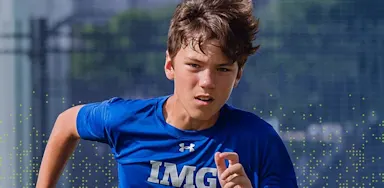
Nonverbal Leadership in Sports: How Body Language Builds Trust

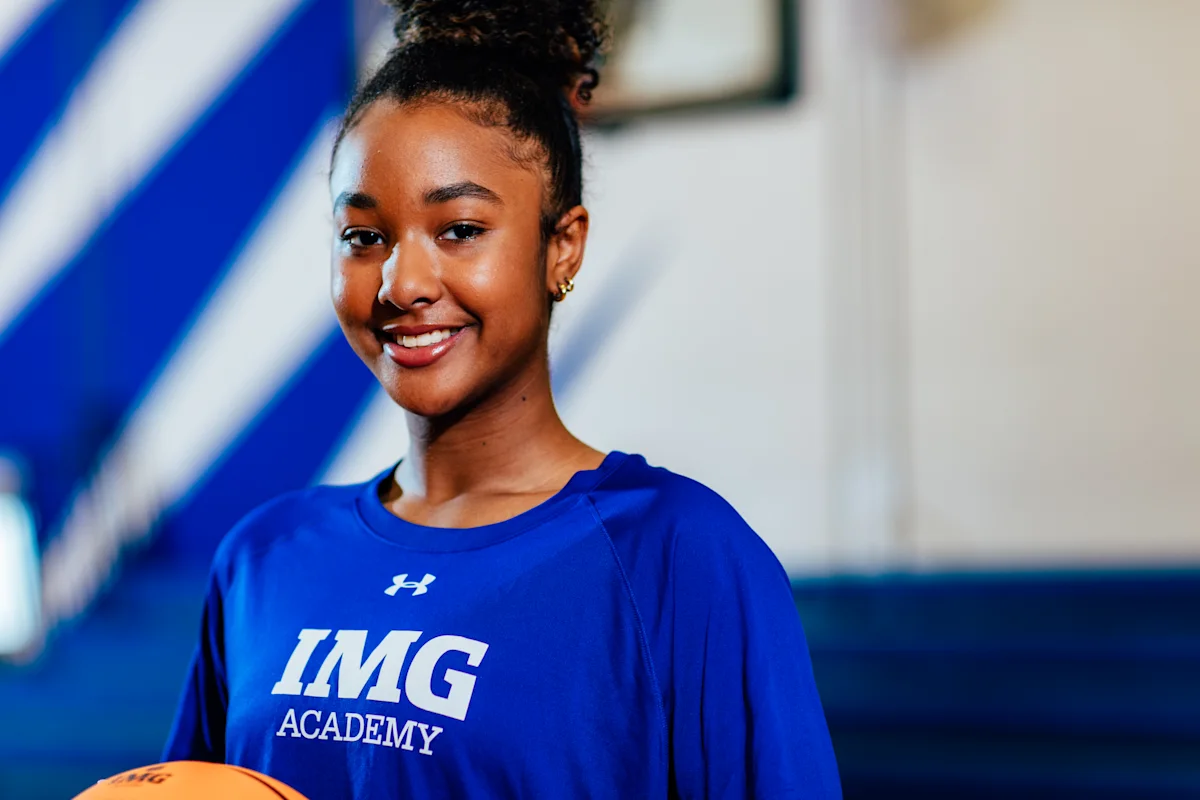
Key Takeaways
Leadership in sports is often silent: posture, composure, energy, eye contact, breathing, and response to pressure communicate loudly.
Athletes either lift the team with steady presence or drain focus with visible frustration, slumped body language, and negativity.
A post-mistake reset - stand tall, breathe, connect, and speak clearly - shows leadership rooted in courage and integrity.
Why Body Language Matters in Sports Leadership
You might have elite athletic talent, but successful teams rarely fall apart because of a lack of skill alone. More often, teams struggle when communication, emotional control, and trust break down during difficult moments.
That is why body language matters.
Leadership is not always demonstrated through speeches, team meetings, or captain's armbands. Some of the strongest leaders on any team are silent leaders who influence others through their composure, consistency, and response to adversity.
Every athlete sends signals through posture, facial expressions, effort, communication, and emotional reactions. Those signals shape how teammates, coaches, and competitors perceive confidence, resilience, and leadership.
College coaches, teachers, employers, and teammates often evaluate more than performance alone. They pay attention to how athletes respond when things do not go according to plan.
Learn more about How to Get Recruited for College Sports.
Leadership frequently reveals itself through:
Body language
Emotional control
Recovery after mistakes
Communication
Composure under pressure
Athletes who consistently demonstrate positive body language and emotional maturity often earn trust more quickly because they help create stability during challenging moments.
The good news is that leadership presence can be developed.
Learning how to reset after mistakes, communicate confidently, and remain composed during adversity can strengthen both individual performance and team culture over time.
The Difference Between Lifters and Deflators
Every team has athletes who influence the emotional environment around them.
Some athletes elevate teammates. Others unintentionally drain team energy.
The Lifter
A lifter remains composed and optimistic even when things go wrong.
They:
Reset quickly after mistakes
Encourage teammates
Maintain composure during adversity
Communicate positively
Help stabilize team energy during pressure situations
Lifters build trust because teammates know they can depend on them when challenges arise.
Strong leadership is often demonstrated through consistency rather than volume.
The Deflator
A deflator negatively impacts team energy through visible frustration or emotional reactions.
Deflating behaviors often include:
Slumped shoulders
Negative reactions after mistakes
Poor effort after adversity
Disengaged body language
Visible frustration
Negative communication
Even highly talented athletes can hurt team culture if they consistently display poor emotional control.
Athlete Takeaway
The goal is not simply to perform well.
The goal is to become a reliable presence whose composure helps teammates feel more confident, connected, and supported during difficult moments.
What Your Body Language Communicates
A large percentage of communication is nonverbal.
Posture, facial expressions, eye contact, breathing patterns, and physical reactions all communicate messages to teammates and coaches.
Athletes often reveal confidence, focus, frustration, resilience, and emotional control without saying a word.
What Coaches Notice Immediately
Coaches frequently evaluate:
Reactions after mistakes
Sideline behavior
Interaction with teammates
Eye contact
Effort after adversity
Bench energy
Communication habits
Emotional consistency
Many evaluations happen between plays rather than during highlight moments.
Athletes who remain composed after adversity often leave stronger impressions than athletes who react emotionally after setbacks.
Why Nonverbal Communication Matters
Body language affects more than perception.
It influences:
Team confidence
Communication
Trust
Momentum
Individual performance
Athletes who project calm and confidence often help create a more stable environment for everyone around them.
The Post-Mistake Reset Protocol
One of the clearest leadership signals is how athletes respond immediately after mistakes, turnovers, missed assignments, or difficult calls.
The best athletes are not mistake-free.
They simply recover faster.
Step 1: Stop the Slump
Fight the urge to immediately show frustration.
Instead:
Stand tall
Reset your posture
Lift your eyes
Refocus on the next play
This signals confidence and readiness to move forward.
Step 2: Breathe Deep
Take three slow, controlled breaths.
Breathing helps regulate emotions and allows athletes to regain focus more quickly after adversity.
Athletes who manage their breathing effectively often recover mentally faster during competition.
Step 3: Reconnect With the Team
Make eye contact with a teammate or coach.
Offer a quick nod, clap, or encouraging signal.
Leadership becomes visible through response, not perfection.
Step 4: Communicate Clearly
Keep communication calm, direct, and constructive.
Avoid emotional reactions or blaming others.
Clear communication builds trust and confidence throughout a team.
Why Reset Routines Work
Athletes who develop repeatable reset routines often improve emotional consistency over time.
A single mistake does not need to become multiple mistakes.
The ability to recover quickly is often what separates strong competitors from great leaders.
Leadership Traits That Build Composure
Silent leadership is rooted in character and emotional discipline.
Two leadership traits become especially important during pressure situations.
Courage
Courage means speaking up when the team needs support, accountability, or direction.
It also means:
Taking responsibility after mistakes
Staying emotionally steady during adversity
Responding rather than reacting
Courage helps athletes lead even when situations become uncomfortable.
Integrity
Integrity means doing the right thing consistently, even when nobody is watching.
Integrity builds:
Trust
Accountability
Reliability
Respect
Athletes with integrity often become respected leaders long before they receive formal leadership titles.
Why Composure Matters for Athletes
Athletic performance and leadership are closely connected.
Athletes who manage emotions effectively often:
Recover faster from mistakes
Communicate more clearly
Build stronger relationships
Earn greater trust
Improve team culture
Composure does not mean suppressing emotion.
It means managing emotions in a productive way.
The most effective leaders remain emotionally steady while still competing with passion and intensity.
How Parents and Coaches Shape Leadership Habits
Character development extends far beyond wins and losses.
Parents and coaches play a major role in helping athletes build emotional control, communication skills, and leadership habits.
Start With Connection, Not Correction
After games, begin conversations with support before criticism.
Simple statements such as:
"I loved watching you compete today."
can help athletes feel emotionally safe before discussing performance.
Celebrate Small Leadership Moments
Leadership is often demonstrated through small actions.
Notice when athletes:
Support struggling teammates
Stay composed after mistakes
Communicate positively
Handle adversity maturely
These moments often matter more long term than statistics.
Model Composure
Athletes learn emotional habits by watching adults.
How coaches and parents respond to:
Officials
Adversity
Mistakes
Pressure
often becomes the model athletes follow themselves.
How Can Parents Help Athletes Build Confidence and Composure?
Parents can support leadership development by encouraging:
Preparation
Accountability
Emotional control
Healthy communication
Providing support while allowing athletes to solve problems independently often strengthens maturity and resilience.
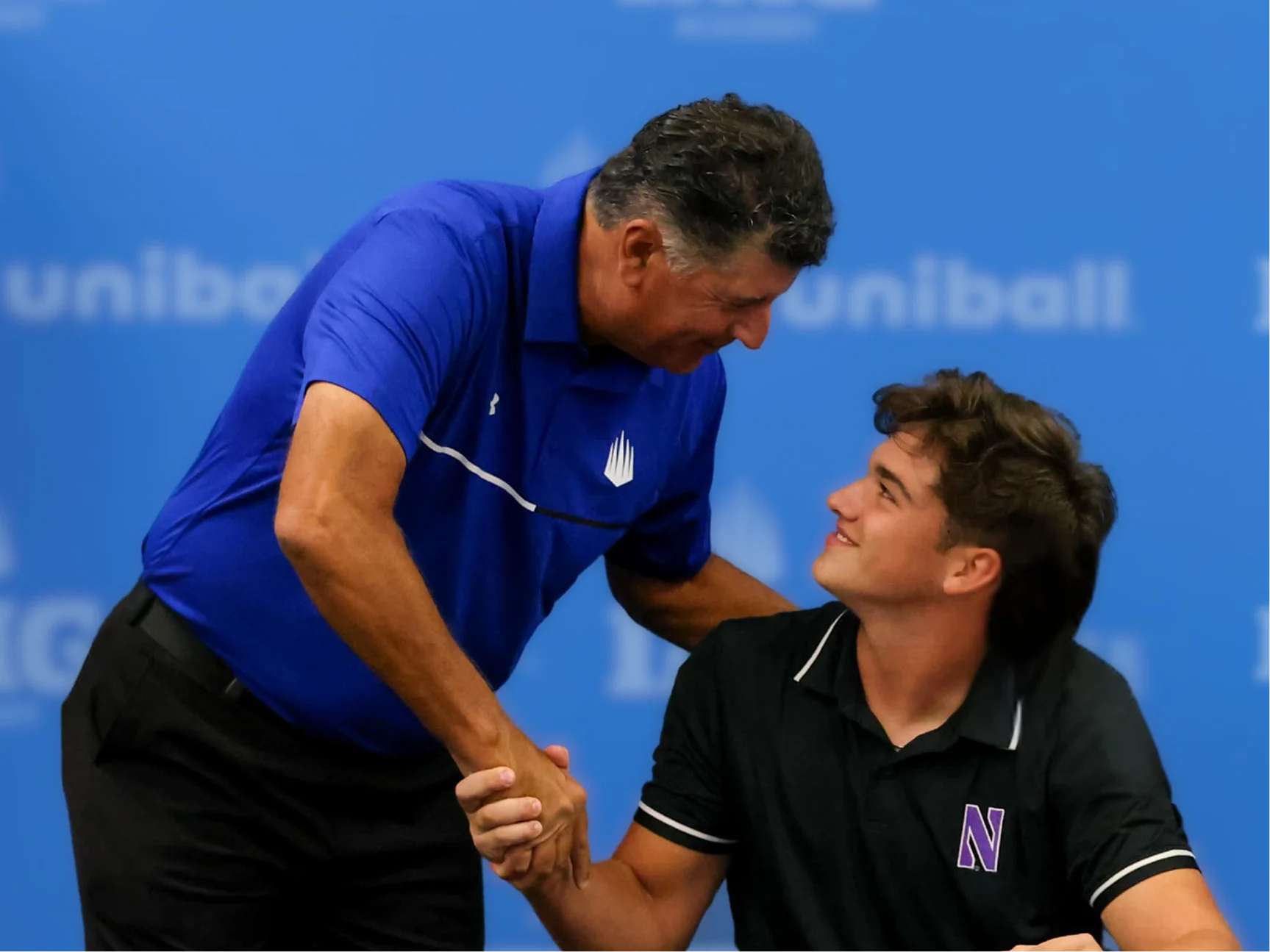
Get discovered by college coaches
Reading about recruiting is a great start, but the families who land scholarships don't do it alone. NCSA's Recruiting Coaches build a personalized strategy around your game, academics, and target schools so you stand out to the right programs.
Leadership, Composure, and Performance FAQ
Why Does Body Language Matter in Sports?
Body language influences how teammates, coaches, and opponents perceive confidence, composure, leadership, and emotional control.
What Do Coaches Notice Most After Mistakes?
Coaches often evaluate recovery speed, effort, communication, and emotional response after adversity.
Can Quiet Athletes Still Be Strong Leaders?
Absolutely.
Leadership is often demonstrated through consistency, composure, accountability, and positive influence rather than volume.
How Can Athletes Improve Composure During Games?
Breathing control, emotional awareness, preparation, and intentional reset routines help athletes stay composed under pressure.
Do College Coaches Evaluate Body Language?
Yes.
Coaches regularly evaluate coachability, emotional maturity, resilience, and team behavior during recruiting and competition.
Learn more about How to Contact College Coaches.
How Do Athletes Recover Mentally After Mistakes?
Many athletes recover faster by using reset routines that include:
Controlled breathing
Posture correction
Positive communication
A next-play mindset
What Body Language Habits Hurt Performance?
Negative reactions after mistakes, visible frustration, poor effort, disengaged behavior, and negative communication can all undermine confidence and team culture.
What Leadership Habits Do Strong Team Captains Demonstrate?
Effective leaders often model:
Accountability
Composure
Communication
Emotional consistency
Encouragement
Preparation
on a daily basis.
Final Takeaway
Leadership is not only about what athletes say.
It is often about how they respond, recover, communicate, and carry themselves during difficult moments.
Athletes who consistently demonstrate composure, accountability, emotional control, and positive body language often become trusted teammates, stronger leaders, and more confident competitors over time.
The next time adversity hits, focus on the signals you send through posture, communication, effort, and response.
Those moments often shape leadership far more than the scoreboard itself.
Like this article? Access more in the full resource library.

Start Achieving Your Goals With Essentials
- Unlock the full Essentials experience
- Get recommended content based on your interests
- Dive into content on mental performance, nutrition, college recruiting, sports training and so much more!