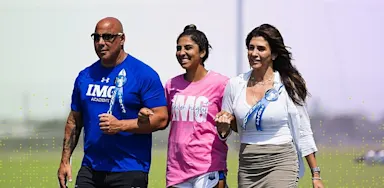
How Parents Can Build Character in Young Athletes

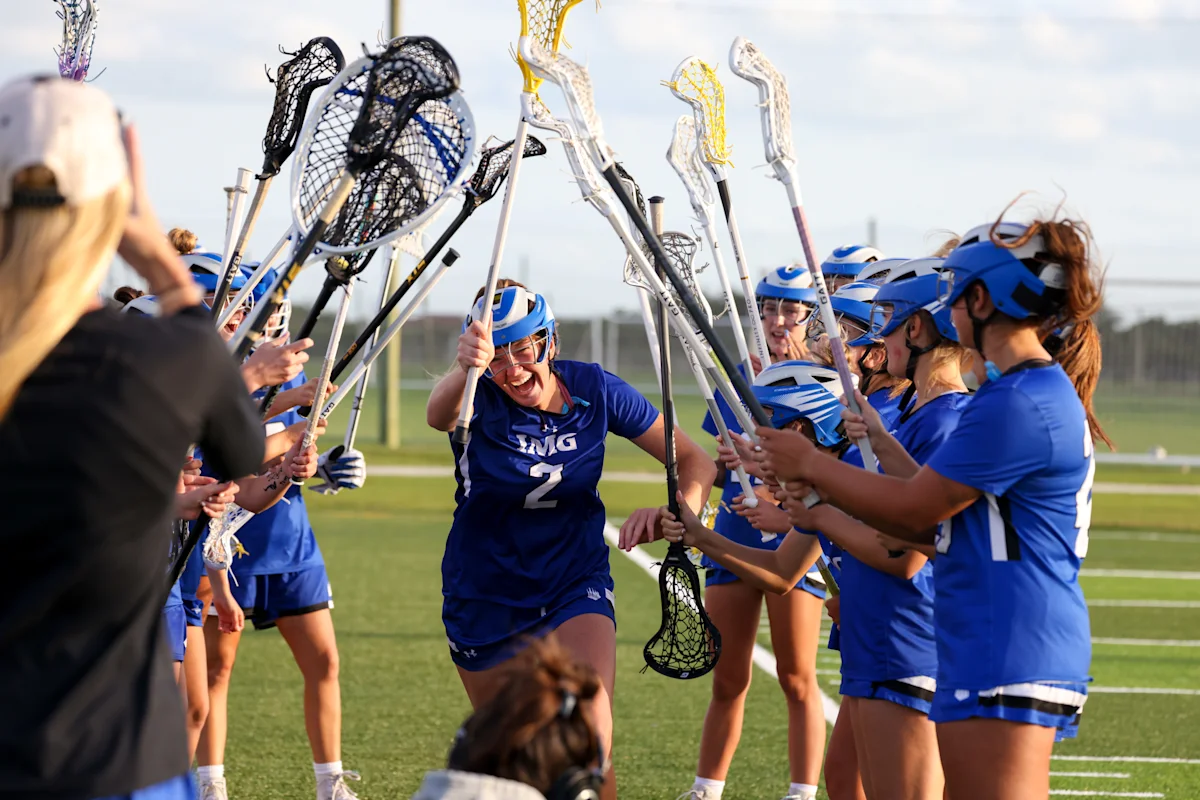
What’s the Real Win in Youth Sports?
Ask most parents what they want from youth sports, and the answers often sound similar:
Confidence
Discipline
Teamwork
Resilience
Leadership
Wins, championships, and trophies can be exciting, but they are rarely the most important long-term outcome.
The real win in youth sports is character development.
Sports provide athletes with opportunities to learn lessons that extend far beyond competition. Through practices, games, setbacks, successes, and challenges, young athletes develop skills that help them succeed in school, relationships, careers, and life.
Character development is one of the most valuable long-term benefits of sports participation.
The athletes who thrive long after competition often develop:
Resilience
Accountability
Leadership
Confidence
Communication skills
Emotional maturity
Parents play a powerful role in helping athletes develop those qualities.
College coaches consistently evaluate leadership, coachability, emotional control, and communication during recruiting. Athletes who demonstrate strong character traits often stand out beyond athletic performance alone.
Why Character Development Matters in Sports
Sports create opportunities to practice life skills in real time.
Every practice, game, and team experience presents athletes with chances to:
Handle adversity
Work through mistakes
Build confidence
Support teammates
Communicate effectively
Develop emotional control
These lessons often become more valuable than the scoreboard.
Character is not developed during easy moments. It is built through challenges, setbacks, frustrations, and the process of learning how to respond productively.
Athletes who learn to manage adversity early often carry those skills into future academic, professional, and personal experiences.
The Parent's Role in Athlete Development
Parents are far more than spectators.
They help shape emotional habits, accountability, resilience, confidence, and leadership throughout an athlete's development.
The biggest growth moments often happen during:
Mistakes
Setbacks
Difficult conversations
Uncomfortable learning experiences
Competitive disappointments
Strong sports parenting is not about controlling outcomes.
It is about helping athletes develop independence, ownership, confidence, and resilience throughout their journey.
Parents who focus on long-term development often create healthier athletic experiences than parents who focus exclusively on performance outcomes.
The PRIMED Framework for Sports Parents
A helpful way to think about athlete development is through the PRIMED framework.
Prioritize Effort and Attitude Before Stats
Celebrate preparation, consistency, teamwork, and growth—not just wins, rankings, or statistics.
Athletes who focus on effort often develop healthier confidence and stronger long-term motivation.
Praise the process as much as the outcome.
Build Genuine Relationships
Build genuine relationships with your athlete and their coaches.
Healthy communication and trust between athletes, parents, and coaches help create healthier sports environments.
Athletes often perform best when they feel supported rather than constantly evaluated.
Encourage Intrinsic Motivation
Encourage athletes to pursue goals because they genuinely care about improvement, growth, and competition.
Athletes who develop internal motivation often become more resilient and emotionally confident over time.
Long-term success is usually fueled by ownership rather than pressure.
Trust Their Memory
Growth requires responsibility.
Allow athletes opportunities to manage:
Equipment
Schedules
Reminders
Communication
when appropriate.
Independence develops maturity over time.
Model the Behavior You Want to See
Young athletes learn emotional control, leadership, communication, and resilience by watching the adults around them.
Parents who model:
Accountability
Respect
Composure
Positive communication
often reinforce those same habits in athletes.
Empower Athletes Through Mistakes
Mistakes are part of development.
Resilience grows when athletes learn how to recover from setbacks rather than being protected from every challenge.
Athletes who learn how to process mistakes constructively often develop stronger emotional control and confidence later.
Remember Development Takes Time
Athlete development is rarely linear.
Physical, emotional, and mental growth happen at different rates.
Patience often becomes one of the most important parenting tools in sports.
The timeline for growth looks different for every athlete.
Real Growth Happens in the Small Moments
Every athlete develops differently.
Rather than focusing only on trophies, rankings, or statistics, pay attention to smaller moments that reveal growth and character.
Examples include:
Cleaning up equipment without being asked
Staying composed after a difficult referee call
Supporting a struggling teammate
Responding positively to coaching
Bouncing back after mistakes
Demonstrating accountability
These moments often reveal more about development than any box score.
Celebrate effort, attitude, and consistency as much as outcomes.
Athletes who consistently practice accountability, communication, resilience, and preparation often become stronger leaders both inside and outside of sports.
Common Parenting Mistakes in Youth Sports
Even well-intentioned parents can sometimes unintentionally create obstacles to growth.
Don't Rescue Every Problem
Struggle is part of development.
Allow athletes opportunities to solve problems independently whenever possible.
Problem-solving builds confidence and resilience over time.
Avoid Sideline Coaching
Let coaches coach.
Conflicting instruction during games often creates confusion, frustration, and pressure for athletes.
The car ride home should not feel like a second practice.
Don't Chase Only Results
Progress, attitude, and development matter more long term than short-term wins.
Athletes who feel valued only for performance outcomes may experience increased pressure and burnout.
Let Athletes Own Their Goals
Allow athletes to lead their own journey.
Athletes who feel ownership over their goals often remain more motivated and emotionally healthy.
Choose Patience Over Pressure
Confidence, leadership, and emotional maturity all require time and repetition to develop.
Pressure without support can negatively impact both performance and enjoyment.
Questions Parents Should Ask After Games
Healthy postgame conversations focus on growth and reflection rather than immediate performance analysis.
Questions that often create healthier discussions include:
What did you learn today?
How did you support your teammates?
What are you proud of?
Did you respond well when things became difficult?
What would you like to improve next time?
These conversations encourage:
Accountability
Emotional awareness
Leadership
Confidence
Self-reflection
The best postgame conversations often focus on:
Effort
Attitude
Teamwork
Leadership
Growth
rather than statistics alone.
Building a Healthy Sports Support System
Athlete development works best when parents, coaches, teammates, and mentors communicate consistently and support shared goals.
Healthy athlete development often happens fastest when:
Parents
Coaches
Teammates
Mentors
work together to create positive, consistent expectations.
Strong communication between adults helps create healthier environments for confidence and growth.
How Do Coaches and Parents Work Together Effectively?
Healthy parent-coach relationships usually include:
Clear communication
Mutual respect
Consistent expectations
Athlete ownership
Long-term development priorities
When adults communicate effectively, athletes often experience healthier confidence and less unnecessary pressure.
Why Character Matters More Than Trophies
Trophies eventually collect dust.
Character lasts.
The confidence, empathy, resilience, accountability, and leadership skills athletes develop through sports continue influencing them long after competition ends.
Sports help prepare athletes for:
Leadership
Adversity
Teamwork
Accountability
Relationships
Future careers
Life beyond athletics
Many of the qualities developed through sports directly translate into leadership, communication, discipline, and resilience throughout adulthood.
The goal is not simply raising successful athletes.
It is helping young people become capable, confident, and resilient adults.
Get discovered by college coaches
Reading about recruiting is a great start, but the families who land scholarships don't do it alone. NCSA's Recruiting Coaches build a personalized strategy around your game, academics, and target schools so you stand out to the right programs.
Parenting and Character Development FAQ
Why Is Character Development Important in Youth Sports?
Sports help athletes build confidence, resilience, accountability, teamwork, and leadership skills that extend far beyond competition.
How Can Parents Support Athletes Without Creating Pressure?
Focus on effort, growth, communication, and emotional support rather than only results and performance.
What Should Parents Say After Games?
Questions focused on learning, effort, leadership, and teamwork often create healthier conversations than immediate performance analysis.
How Do Sports Help Athletes Build Resilience?
Sports naturally teach athletes how to handle setbacks, mistakes, competition, pressure, and emotional recovery.
Why Should Athletes Be Allowed to Make Mistakes?
Mistakes help athletes develop responsibility, independence, confidence, and problem-solving skills over time.
What Are the Signs of Healthy Sports Parenting?
Healthy sports parenting often includes:
Patience
Encouragement
Communication
Accountability
Emotional support
Respect for athlete ownership
How Can Parents Help Athletes Build Confidence?
Parents can build confidence by encouraging effort, celebrating improvement, supporting independence, and allowing athletes to work through challenges without fear of failure.
What Should Parents Avoid Saying During Competition?
Avoid:
Sideline coaching
Negative criticism
Emotional reactions
Comments that increase pressure
Athletes typically perform better when communication remains calm and supportive.
Can Youth Sports Help Prepare Athletes for Life After Sports?
Absolutely.
Sports help athletes develop leadership, discipline, emotional control, resilience, teamwork, and communication skills that continue benefiting them long after athletic competition ends.
Final Takeaway
Character development is one of the most important long-term victories youth sports can provide.
Athletes who develop resilience, accountability, confidence, leadership, communication skills, and emotional maturity often carry those strengths far beyond competition.
Parents help shape that process every day through patience, communication, support, and the example they model themselves.
The goal is not simply raising successful athletes.
It is raising confident, resilient young people who are prepared to lead, grow, and handle challenges throughout life.
Like this article? Access more in the full resource library.
Start Achieving Your Goals With Essentials
- Unlock the full Essentials experience
- Get recommended content based on your interests
- Dive into content on mental performance, nutrition, college recruiting, sports training and so much more!