How Journaling Helps Student-Athletes Improve Performance

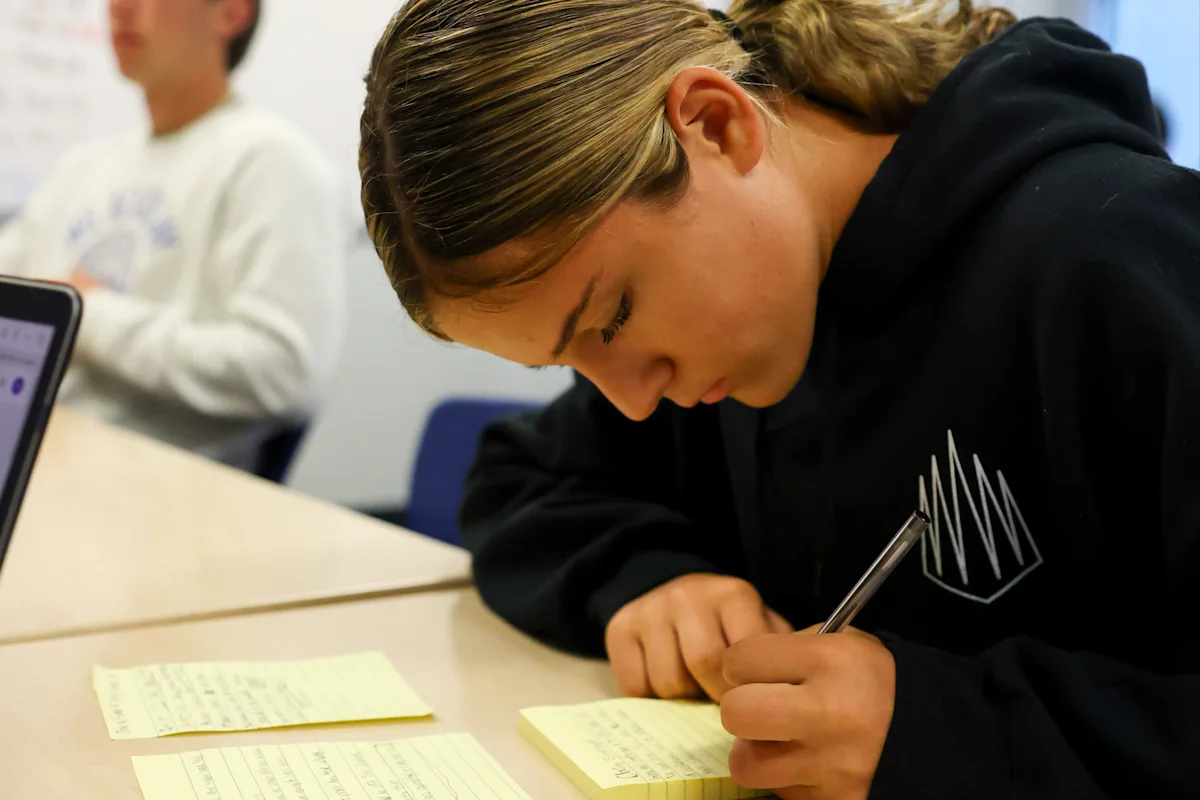
How Journaling Can Improve Your Performance As a student-athlete, you should always be looking for ways to get 1% better. The obvious places to start may include getting stronger in the weight room, being more productive in practice, or focusing more during games. However, an underrated tool you might not be using yet is journaling!
Key Takeaways
Journaling helps athletes become more self-aware and act as their own coach.
A simple well, better, next framework captures what went well, what can improve, and the next focus.
Consistent reflection processes mistakes, tracks progress, and turns training experiences into growth.
The practice of putting your thoughts on paper is an easy way to become a better athlete. As a mental performance coach, I encourage athletes to use journaling to build self-awareness, strengthen your mindset, and be your own coach. It helps you develop the skill of reflection which cultivates the path toward becoming the best version of yourself!
Why Reflection Matters in Sports
Every training session and competition is an opportunity to receive feedback. But if you never stop to reflect, you will miss the lessons that can help you grow. Reflection allows you to:
Understand what’s working and what’s not
Process mistakes without getting stuck in them
Build confidence by tracking your progress
Set meaningful goals based on your real experience
Journaling is a simple way to develop that reflection skill and turn everyday effort into long-term growth.
What Should You Write About?
You don’t need to be a great writer or fill out pages. A few honest sentences go a long way. Here’s a simple structure we call the well-better-next method that you can use after practice or competition:
1. What Went Well?
Start with a win! It is easy to be over critical of your performance so let’s begin with something you’re proud of. It could be your effort, focus, communication, or a specific play. This builds confidence by reminding you of your strengths and focusing on the positives!
2. What Could Be Better?
Next, reflect on one area you want to improve. The goal here is NOT to dwell on a mistake or be harsh but rather see it as an opportunity to learn!
3. What’s My Focus for Next Time?
Finish with a clear takeaway. What intention do you want to bring to practice or a game tomorrow? How can you execute that intention?
This quick 3-step check-in builds a habit of reflection and improvement. It is a practice we teach on campus and a tool you can use beyond just your sport.
Example Journal Entry
Here is an example of the well-better-next method in action.
Date: March 21 What went well: Stayed focused even when we were behind. My energy helped bring the team back in the 4th quarter.
What could be better: Missed a few easy passes when I rushed under pressure. I need to slow down and breathe.
Focus for next time: Stay calm when the game speeds up. One play at a time. Tips for Making Journaling a Habit
Keep your journal in your gym bag or locker... somewhere you will see it often
Set a 5-minute timer after practice or before bed
Use your phone’s notes app if that’s easier
Be consistent, not perfect
Journaling is more than writing—it’s training your mind the same way you train your body. It fosters self-awareness, helps you learn more effectively, and empowers you to be your own coach.
So, grab a notebook, take five minutes, and reflect like a champion. Because the athletes who stop to learn from every rep, every game, and every moment are the ones who reach their full potential.
Like this article? Access more in the full resource library.


Start Achieving Your Goals With Essentials
- Unlock the full Essentials experience
- Get recommended content based on your interests
- Dive into content on mental performance, nutrition, college recruiting, sports training and so much more!