College Track and Field Scholarships: How to Get Recruited

Ready to turn proven marks into college offers? This is your fast, smart, and complete playbook for athletes who want to get recruited for college track and field.
Key Takeaways
Track and field recruiting is driven by verified event marks, times, academics, and how those compare with roster standards.
Athletes should proactively contact coaches, complete questionnaires, build a target list by event fit, and understand division contact timelines.
Camps, competitions, unofficial visits, and realistic evaluation of times and marks help athletes find the right college level.
How Track and Field Scholarships Work
Track and field is an Equivalency Sport in NCAA D1 and D2, meaning full scholarships are rare. Aid is typically split up among many athletes, resulting in partial scholarships.
Track and Field Scholarship Breakdown by Division
NCAA D1
Scholarship Type: Equivalency (Partial Aid)
Max Scholarships (Equivalent): 12.6 (Men) / 18.0 (Women)
Financial Strategy: Recruiters use academic aid to "stack" with partial athletic scholarships to meet the total cost.
NCAA D2
Scholarship Type: Equivalency (Partial Aid)
Max Scholarships (Equivalent): 12.6 (Men) / 12.6 (Women)
Financial Strategy: Aid is partial; focus on schools with strong departmental or institutional grants.
NAIA
Scholarship Type: Package Deals
Max Scholarships (Equivalent): School-dependent
Financial Strategy: Competitive combined athletic-academic scholarship packages based on funding and your skill level.
NCAA D3
Scholarship Type: No Athletic Aid
Max Scholarships (Equivalent): 0
Financial Strategy: Strongest option for maximizing non-athletic aid. Academic merit and need-based aid can often beat a small partial scholarship from a D1/D2 school.
Coach's Corner: Combining athletic and academic scholarships maximizes value. Division III may match or beat D1 partials through merit/aid packages.
Track & Field Scholarship Reality Check
Full scholarships are uncommon in track and field. Most athletes receive combinations of athletic aid, academic scholarships, grants, and need-based financial aid.
Academic standing is often the difference between a partial scholarship and a more complete financial package. Athletes who maintain strong grades and verified performance marks create more opportunities across every division.
How to Get Recruited for College Track and Field
In college track and field recruiting, your numbers are your resume. Coaches recruit marks first—your verified Personal Bests (PBs) for times and distances are the most critical factor. If your time isn't officially logged, it doesn't count.
The Hard Truth: Only about 7% of high school track athletes compete in college. Your best edge is achieving consistent, verifiable marks at large, official invitationals, and national events.
The Scoreboard Snapshot: What Track and Field Coaches Look For
Verified Marks
Times/Distances from Athletic.net, MileSplit, or TFRRS.
Why It Matters: Non-negotiable proof. Coaches rarely trust hand-held times or local meet results.
Academic Power
High GPA and NCAA-eligible standardized test scores.
Why It Matters: Maximizes Aid. Opens doors to D3 and high-academic D1/D2 schools, leading to bigger overall scholarship packages.
Film
Quick clips of actual meet footage (not just training).
Why It Matters: Shows form, technique, and ability to handle race pressure.
Versatility
Strong marks in multiple events (e.g., 100m and 200m; 400m and 800m).
Why It Matters: Coaches prefer athletes who can fill numerous roster gaps.
Coaches Corner: Coaches prioritize fast, versatile, and academically eligible athletes who share verified stats from national meets—not just local race wins. Academic standing is the MVP for maximizing your overall financial aid.
What Track and Field Athletes Should Do First
Freshman year is the time to establish consistent, verified PRs and begin researching college recruiting standards.
Identify 30–50 target schools.
Compete at major invitationals whenever possible.
Track your improvement consistently.
Focus on both athletic development and academic performance from the start.
Build Your Track and Field Recruiting Profile
Visibility equals opportunity. Your online presence is your centralized "Scoreboard." You must actively self-recruit, as coaches won't find you buried in local results.
Verified Scoreboards: Your profile on NSCA, Athletic.net, and MileSplit is non-negotiable. Update it immediately after every meet.
Recruiting Platform: Create and maintain a profile on platforms like NCSA to centralize your stats, schedule, and academic info.
Quick Intro Video: A short, sharp video that shows your event, clearly circles you, and states your PRs. Keep it short and stats-focused.
Email Track Coaches: The 4-Part Email Blueprint
Your first contact sets the tone. Coaches appreciate polite, concise, and professional communication.
Clear Subject Line: Include your Name, Graduation Year, Event, and Best PR (e.g., "John Doe, 2026, 400m: 48.56").
The Hook: Start with a sentence about why their program specifically interests you (e.g., "I admire your team's success in the 4x400 relay").
The Data Dump: List your key stats and include the link to your NSCA/MileSplit profile.
The Ask: End with a single, straightforward question, such as: "What are the recruiting standard marks you are looking for in the 800m for the class of 2027?"
Social Visibility and Recruiting
Social Story Template
"New PB—100m in 10.92! Just updated my profile—coaches, check the highlights. #PRSeason #TrackScholar #RecruitMe”
Posting and updating every meet builds trust. Coaches want athletes who prove consistency—ideal profiles feature both major PRs and academic progress.
Event-Specific Track and Field Recruiting Evaluation
Sprinters
Sprinters are evaluated heavily on verified FAT (Fully Automatic Timing) results, explosiveness, reaction time, and relay potential.
Versatility across sprint events creates additional recruiting value.
Distance Runners
Distance athletes need consistent performances, strong progression over time, race strategy, and the ability to compete across cross country and track seasons.
Coaches often evaluate training consistency and long-term development.
Hurdlers
Hurdlers are evaluated on rhythm, technique, speed between hurdles, and consistency under pressure.
Verified marks and technical efficiency both matter heavily.
Jumpers
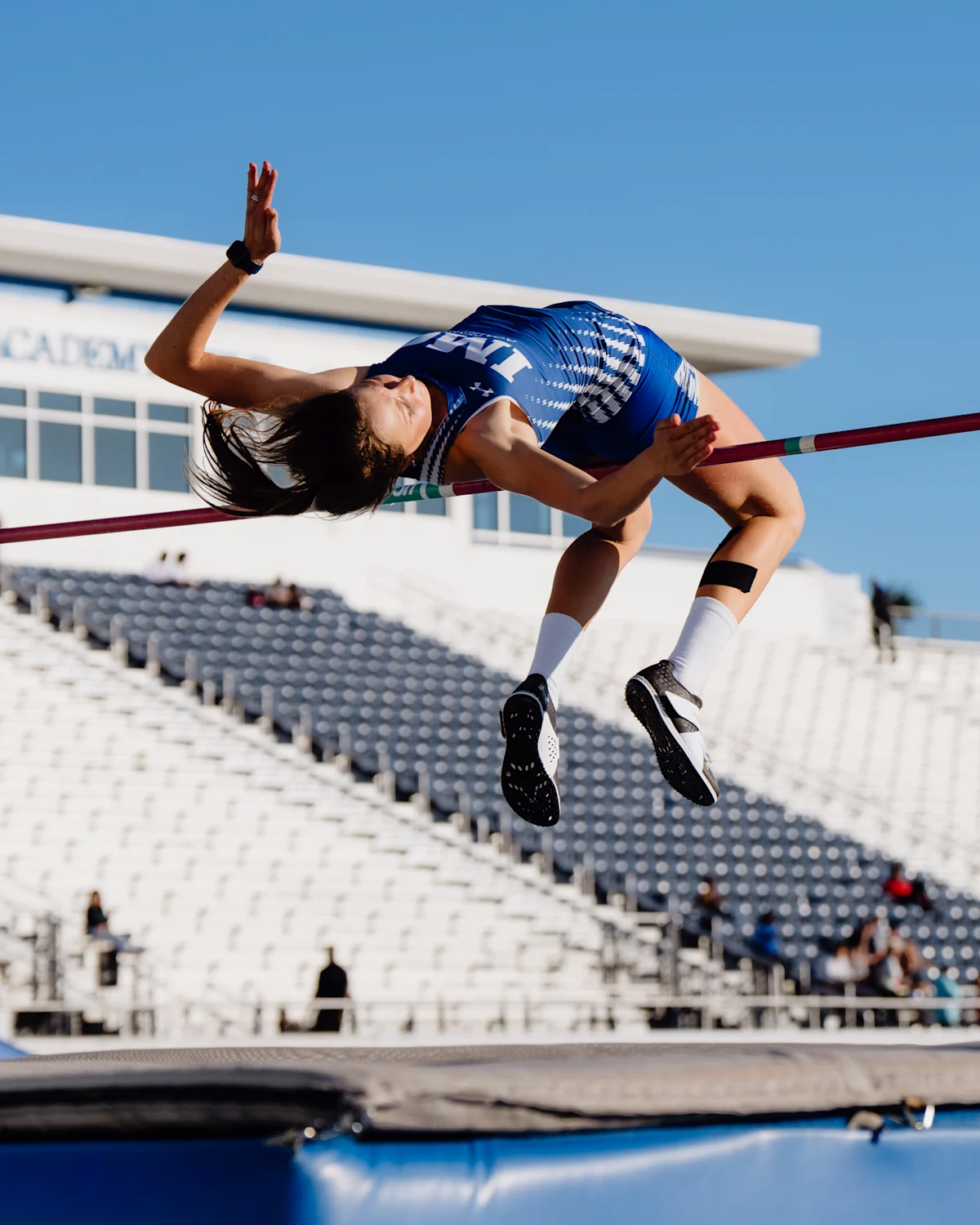
Jumpers need verified measurements, explosiveness, consistency, and technical form.
Coaches especially value athletes who can contribute in multiple jumping events.
Throwers
Throwers are evaluated on verified distances, technique, strength development, and progression trajectory.
Coaches often prioritize athletes who continue improving throughout high school.
Multi-Event Athletes
Versatility is a major advantage.
Athletes who compete successfully across multiple disciplines often provide additional roster flexibility and scoring opportunities for programs.
Track and Field Recruiting Timeline
Dead periods & rules change yearly, so always check the latest NCAA calendars and ask coaches about recruiting windows.
NCAA D1 Official Contact Start Date: June 15 of Sophomore Year
Your Action Window: Send intro emails and meet schedules during Freshman/Sophomore year to start the buzz.
Freshman Year
Primary Focus & Goal: Research & Goal Setting
Actionable Steps: Establish consistent, verified PRs. Research college recruiting standards (TFRRS). Identify 30–50 target schools.
Sophomore Year
Primary Focus & Goal: Visibility & Pre-Contact
Actionable Steps: Attend major invitationals (National/Regional). Launch your recruiting profile. Be ready for the D1 contact on June 15.
Junior Year
Primary Focus & Goal: Evaluation & Offers
Actionable Steps: Official Campus Visits begin. Narrow your list. Most offers come in the fall. Focus on applying for academic aid early.
Senior Year
Primary Focus & Goal: Commitment
Actionable Steps: Finalize your scholarship package. Sign your National Letter of Intent (NLI) or commitment agreement.
Academic Performance Matters in Track Recruiting
Coaches assess two things: your objective marks and your academic standing.
High grades are your secret weapon, maximizing your chances for better overall financial aid (academic + athletic).
Academic standing is the MVP for maximizing your overall financial aid.
Strong grades open doors to D3 and high-academic D1/D2 schools, leading to bigger overall scholarship packages.
Get discovered by college coaches
Reading about recruiting is a great start, but the families who land scholarships don't do it alone. NCSA's Recruiting Coaches build a personalized strategy around your game, academics, and target schools so you stand out to the right programs.
Start your athlete profile
Track and Field Recruiting FAQS
How hard is it to get a track and field scholarship?
It is difficult to get a track and field scholarship, but not impossible. Achieve consistent, verifiable marks and maintain a strong academic profile to maximize scholarship potential.
When should I start trying to get recruited for college track and field?
As soon as possible. D1/D2 coaches can reply only after June 15 of your sophomore year; D3/NAIA are more flexible. Most offers come in the fall of senior year.
Do D3 schools offer athletic scholarships?
No, D3 schools do not offer athletic scholarships, but many D3 schools deliver strong overall packages through academic and need-based aid.
What are "recruiting standards"?
Recruiting standards are the times and distances current first-year college athletes are achieving in an event. Ask coaches directly or check TFRRS/official college websites.
How do I get noticed by top track and field programs?
Post and update verified PRs, compete in major meets, build a standout multi-event profile, and keep all communications short and stats-forward.
Final Steps: Checklist for Fast Action
Build and maintain digital scoreboards on major platforms.
Set goal benchmarks using current college freshman stats.
Share updated results and highlights every meet.
DM/email coaches with a clear subject, perfect stat focus, and a single question.
Track timelines—apply for aid early, finish with National Letter of Intent.
Ready to run your best recruiting race? Update your profiles after every meet, stay connected, and let your scoreboard speak for itself.
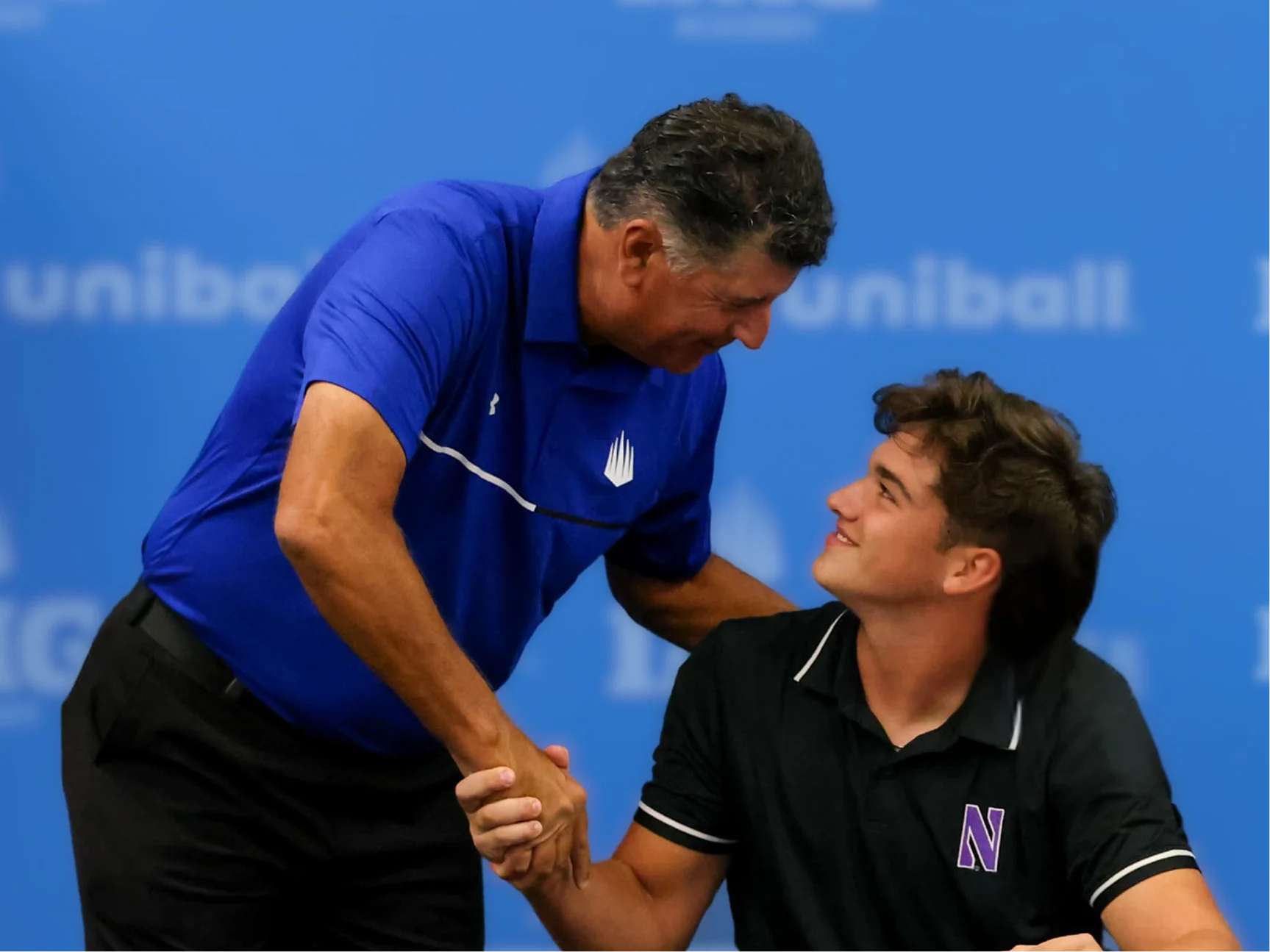
Get discovered by college coaches
Reading about recruiting is a great start, but the families who land scholarships don't do it alone. NCSA's Recruiting Coaches build a personalized strategy around your game, academics, and target schools so you stand out to the right programs.