College Lacrosse Scholarships: How to Get Recruited

Key Takeaways
Lacrosse recruiting starts with realistic division fit, a complete profile, strong academics, and direct coach communication.
A three- to four-minute highlight video should show game footage, versatility, lacrosse IQ, athleticism, communication, and position-specific strengths.
Camps, showcases, tournaments, and prospect days create exposure, but athletes still need to contact coaches, share video and schedules, and understand scholarship and roster rules.
How Lacrosse Scholarships Work
College lacrosse scholarships are highly competitive, and families should understand early that scholarship opportunities vary significantly by division, roster size, and school budget.
While NCAA Division I lacrosse scholarship caps have technically been eliminated, very few programs fully fund every roster spot. Most athletes still receive partial athletic aid combined with academic scholarships, institutional grants, or financial aid.
Families should focus less on the phrase "full ride" and more on the total financial package available. Athletes with stronger academics often create more flexibility for coaches because academic aid can be combined with athletic support.
Fantastic opportunities exist across NCAA Division I, Division II, Division III, and NAIA lacrosse.
The Scholarship Landscape
Learn more about What It Means to Be a D1, D2, D3, or NAIA Athlete.
NCAA Division I
Potential for fully funded roster spots
Scholarship availability depends heavily on athletic department budgets
Academic aid can still play a major role
NCAA Division II
Scholarships are usually split into partial grants
Coaches often package athletic and academic aid together
NAIA
Scholarship flexibility varies by institution
Strong academics help maximize opportunities
NCAA Division III
No athletic scholarships
Strong merit and financial aid opportunities often reduce total costs significantly
How College Lacrosse Recruiting Works
The college recruiting process starts long before official coach communication begins.
Learn more about the College Recruiting Process.
Most athletes begin recruiting by:
Building recruiting profiles
Collecting game film
Attending showcases and tournaments
Researching schools
Contacting coaches proactively
Coaches then evaluate:
Athletic ability
Lacrosse IQ
Academic fit
Character
Positional needs
Long-term development potential
The modern recruiting landscape is highly competitive because coaches evaluate athletes nationally through club lacrosse, showcases, video, and digital recruiting platforms.
The Draw: D1 Contact and Communication Rules
Official NCAA Division I contact rules determine when coaches can begin direct communication.
Official NCAA Contact Start Date: September 1 of junior year
Your profile, video, academics, and recruiting materials should already be prepared well before this date.
Coach's Corner: Many top programs begin evaluating athletes informally through club coaches and showcase networks much earlier.
Your Four-Part Communication Blitz
Never use generic recruiting templates.
The Custom Hook
Mention something specific about the school, coaching philosophy, or program success.
The Proof
Include:
Position
Height/weight
Key stats
Highlight reel
GPA/test scores
The Schedule
Provide upcoming tournament and showcase schedules where coaches can evaluate you live.
The Follow-Up
Maintain professional communication every few weeks with updated film, schedules, or academic information.
Learn more about How to Contact College Coaches.
Year-by-Year Lacrosse Recruiting Timeline
Freshman Year
Primary Focus:
Academics
Skill development
Researching schools
Building a film library
Strong academics early can significantly improve future scholarship flexibility.
Sophomore Year
Primary Focus:
Showcase exposure
Recruiting profile development
Introductory coach outreach
Unofficial visits
Club lacrosse becomes increasingly important during sophomore year because many coaches evaluate prospects through major tournaments.
Junior Year
Primary Focus:
Coach communication
Official recruiting conversations
Narrowing target schools
Finalizing recruiting video
Senior Year
Primary Focus:
Official visits
Comparing scholarship packages
Signing period
Pro Tip: Social Handles Matter
Use professional social media profiles with:
Real name
Graduation year
Position
Highlight video pinned clearly
Learn more about How to Use Social Media for College Recruiting.
What College Lacrosse Coaches Want to See
Lacrosse IQ and Decision-Making
Coaches evaluate far more than highlight goals.
They want to see:
Decision-making under pressure
Off-ball movement
Communication
Hustle
Consistency
Team-first behavior
Coaches often prioritize athletes who consistently make smart decisions and compete hard over athletes with occasional highlight plays.
Film Strategy
Your highlight reel should show real game situations, transitions, defensive recovery, and decision-making.
Avoid:
Excessive slow motion
Over-editing
Music-heavy highlight reels
Use:
Clean game footage
Spot-shadowing when needed
Full-speed clips
Position-Specific Evaluation
Attackers
Off-ball movement
Finishing ability
Quick hands
Midfielders
Transition speed
Conditioning
Clearing ability
Defense/Goalies
Communication
Recovery
Smart ball movement after turnovers or saves
What Coaches Look for Beyond Stats
Coaches also evaluate:
Leadership
Body language
Coachability
Emotional control
Work ethic
Communication habits
Recruiting decisions often come down to trust and team culture fit.
Parent & Coach Corner
Parents and coaches play important support roles throughout recruiting.
Coach's Tip: Encourage accountability, communication, and professionalism.
Parent Assist: Support organization, scheduling, academics, and logistics while allowing the athlete to lead communication with coaches.
The Transfer Portal Reality
The transfer portal has increased recruiting competition significantly.
Programs now compare high school recruits against experienced college transfers, which increases the importance of visibility and development.
Future-Forward Strategy: Choose programs based on long-term fit academically, athletically, and socially.
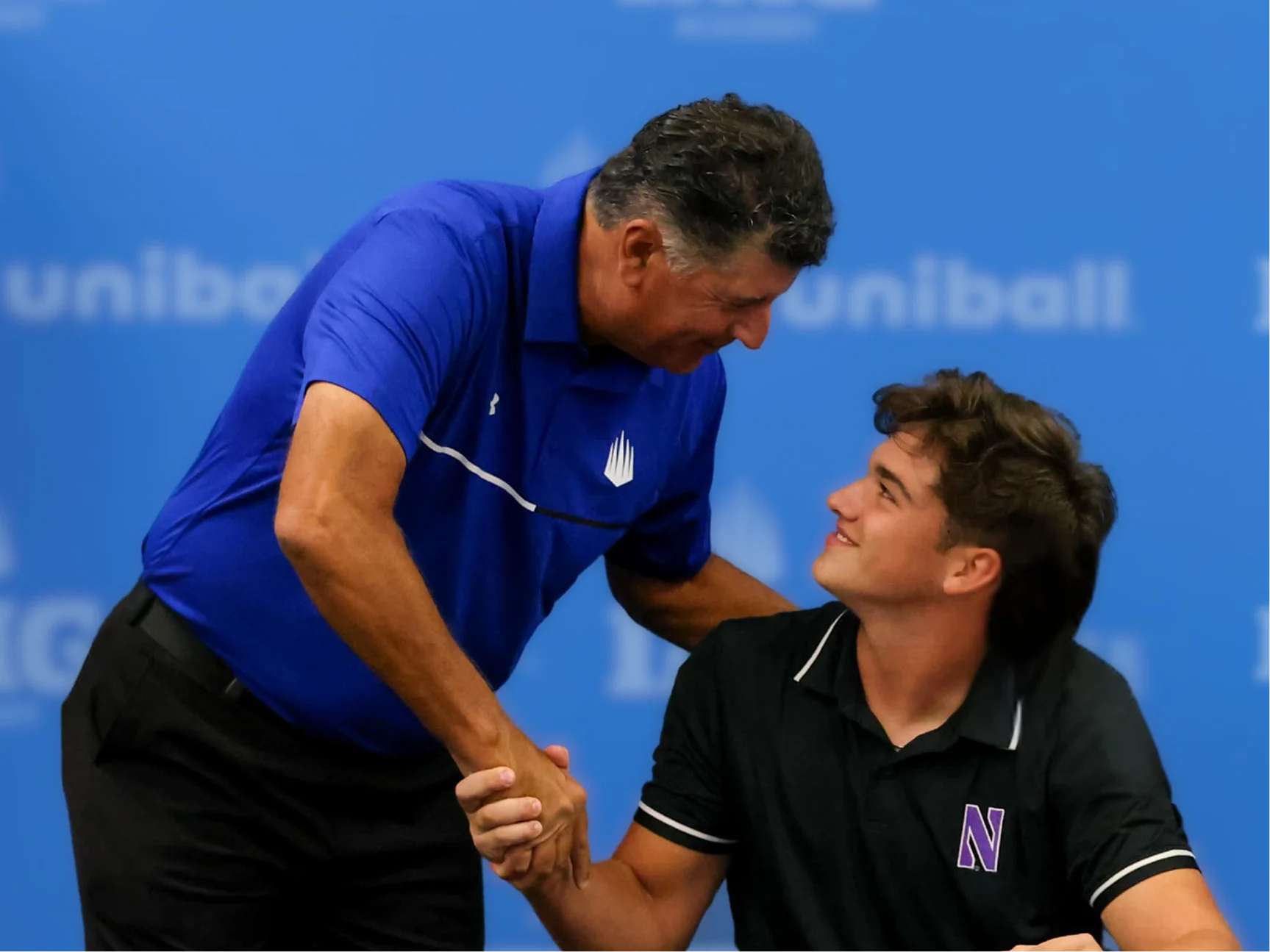
Get discovered by college coaches
Reading about recruiting is a great start, but the families who land scholarships don't do it alone. NCSA's Recruiting Coaches build a personalized strategy around your game, academics, and target schools so you stand out to the right programs.
Final Play
The college lacrosse recruiting process is competitive, but opportunities exist at every level for athletes who stay proactive, organized, academically focused, and coachable.
Your next step starts with:
A strong recruiting profile
Updated game film
Professional communication
A realistic scholarship strategy