What Is a Nutrition Coach?

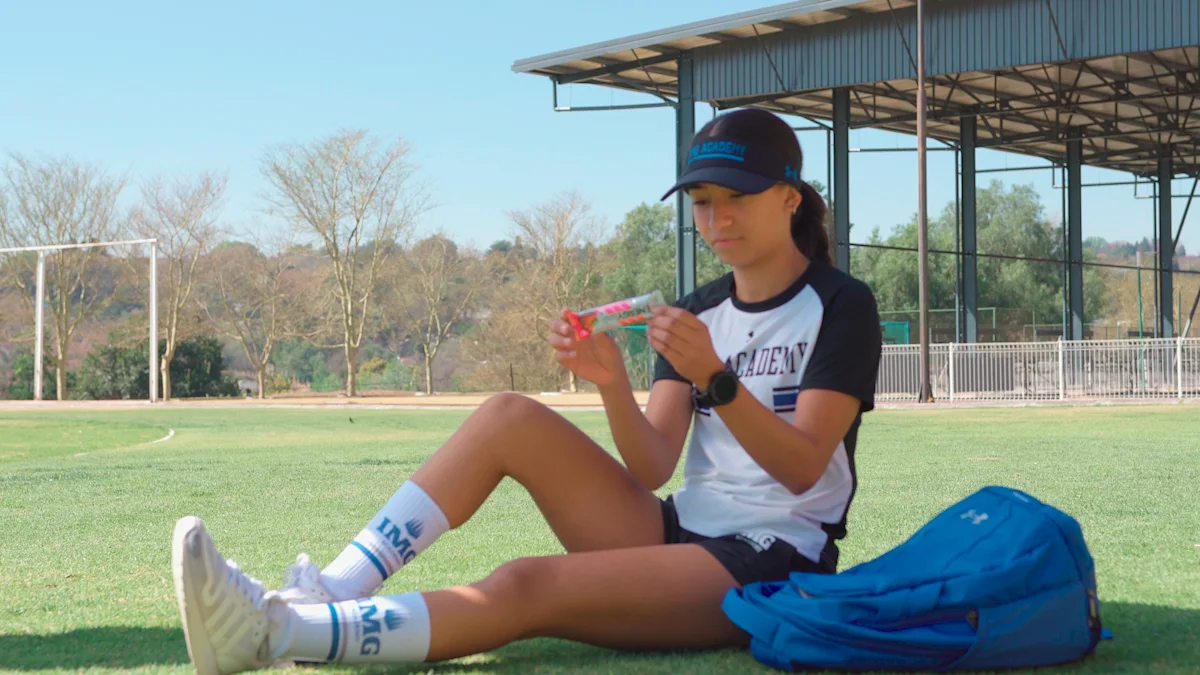
A nutrition coach helps athletes build healthy, practical eating habits that support training, recovery, energy, and long-term performance. For student-athletes, a nutrition coach can provide sport-specific guidance around fueling, hydration, meal timing, and recovery so they can perform more consistently on the court, field, track, or in the gym.
You can master every skill on the court, field, or track, and push yourself to your limits every time you hit the gym, but if you’re not mindful about what goes into your body, you’re not maximizing your athletic potential. This is a reason many pro athletes hire personal chefs: Following a focused, evidence-based nutrition plan is often the final piece of becoming the best athlete you can be.
Key Takeaways
A nutrition coach helps athletes build practical fueling, hydration and recovery habits that support performance.
A nutrition coach for athletes should understand sport demands, training schedules, growth needs and competition goals.
Registered dietitians are credentialed professionals trained to provide evidence-based nutrition guidance and medical nutrition therapy.
Sports nutrition coaching should focus on consistency, energy, recovery and long-term health—not restrictive dieting.
Athletes should look for a qualified coach who provides personalized plans, clear communication, and ongoing support.
What Does a Nutrition Coach Do?
A qualified, professional nutrition coach helps athletes develop nutrition habits that support their health, performance, and personal goals. They provide guidance on everything from meal planning to hydration, helping you understand the right nutrition strategies for fueling, recovery, and performance. They also teach you how to tailor your diet for your specific sport and your overall lifestyle.
How a Nutrition Coach Helps Athletes
Many athletes spend countless hours training, but nutrition is often the missing piece that allows them to perform consistently and recover effectively. As an IMG Academy+ nutrition coach, I help athletes gain confidence, improve performance, and develop habits that will benefit them long after their playing career is over.
A nutrition coach helps athletes understand how to fuel before training, recover afterward, and adjust their nutrition throughout different phases of the season. Athletes following a proper nutrition plan benefit from improved energy levels, enhanced recovery, better hydration, reduced injury risk, and more consistent performance.
Nutrition Coach vs. Nutritionist: What’s the Difference?
The terms can vary by state and credential. A nutrition coach may help with general nutrition habits, while the title "nutritionist" is not always regulated. A registered dietitian is a credentialed healthcare professional trained to provide evidence-based nutrition recommendations and medical nutrition therapy.
Many popular diets are not supported by strong scientific evidence, and an athlete’s unique lifestyle and training regimen necessitate an individualized nutrition plan.
All IMG Academy+ nutrition coaches are registered dietitians (RD). An RD is a credentialed healthcare professional who has completed accredited education, supervised practice requirements, passed a national examination, and maintains continuing education requirements.
Registered dietitians are qualified to provide evidence-based nutrition recommendations and medical nutrition therapy, making them uniquely trained to support athletes, active individuals, and those with medical conditions.
Summary of Professional Roles
This table provides a quick reference for the differences in scope and regulation between common nutrition titles.
Role | What They Do | What to Know |
Nutrition Coach | Helps athletes build practical eating, hydration and recovery habits. | Credentials can vary, so athletes should review education, experience and scope of practice. |
Nutritionist | May provide nutrition guidance, depending on training and state regulations. | The title is not always regulated, so qualifications can vary widely. |
Registered Dietitian | Provides evidence-based nutrition recommendations and medical nutrition therapy. | RDs complete accredited education, supervised practice, an exam and continuing education. |
Do Athletes Need a Nutrition Coach?
Not every athlete needs a nutrition coach, but many student-athletes benefit from expert guidance when they are training hard, struggling with energy, or recovering slowly. Coaching is especially valuable for those with changing body composition goals or those trying to build consistent eating habits. A nutrition coach for athletes can help turn general healthy eating advice into a practical, actionable plan that fits the athlete’s specific sport, training schedule, family routine, and personal goals.
How Nutrition Coaching Supports Performance and Recovery
Nutrition coaching provides a structured framework to ensure every meal serves a purpose in the athlete's development. Key areas of support include:
Fueling for Training and Competition
Ensuring the body has readily available energy for high-intensity efforts.
Recovery and Muscle Repair
Using protein and nutrients to repair tissue after intense exercise.
Energy Levels and Endurance
Balancing macronutrients to prevent "hitting the wall" or early fatigue.
Body Composition and Health
Managing weight and body markers in a way that prioritizes long-term well-being over restrictive dieting.
Healthy Eating for Athletes
Eating healthy is a great foundation, but athletes have unique nutritional demands that go beyond general healthy eating recommendations. A student-athlete may need specific amounts of carbohydrates, protein, fluids, and electrolytes depending on their age, sport, training load, position, and goals.
A nutrition coach helps bridge the gap between eating healthy and eating strategically for performance, growth, recovery, and long-term development.
Get discovered by college coaches
Reading about recruiting is a great start, but the families who land scholarships don't do it alone. NCSA's Recruiting Coaches build a personalized strategy around your game, academics, and target schools so you stand out to the right programs.
The Importance of an Individualized Nutrition Plan for Athletes
By assessing an athlete's current habits and needs, a nutrition coach can provide practical recommendations and measurable action steps that help turn goals into results.
Using individualized strategies developed to align with an athlete's goals, nutrition coaches can help athletes target improving performance, increasing strength, supporting growth and development, enhancing recovery, improving body composition, or preparing for competition.
When Athletes Should Work With a Nutrition Coach
Athletes may benefit from working with a nutrition coach when they feel low on energy, struggle to recover between workouts, skip meals, have trouble hydrating, need help with competition-day fueling or want a more structured plan for long-term performance. Parents may also look for support when their athlete’s training load increases or their schedule makes consistent eating more difficult.
What to Look for in a Nutrition Coach
Student-athletes should look for someone who is qualified, evidence-based, and understands the specific demands of their sport. A good nutrition coach should provide individualized recommendations, communicate clearly, and focus on education rather than restrictive rules.
The best coaches help athletes build confidence around food, develop lifelong habits, and create practical strategies that can be applied both on and off the field of play.
Common Misconceptions About Nutrition Coaching
It’s not about restrictive dieting.
For athletes, the primary goal is to fuel performance, recovery, and growth, not to limit intake.
Healthy eating ≠ Performance nutrition.
General health advice is a foundation, but athletes need specific guidance on carbohydrates, protein, fluids, and nutrient timing.
No "one-size-fits-all".
The best plans are personalized to the athlete’s sport, schedule, and goals.
Favorite foods aren't off-limits.
A good plan supports balance, consistency, and enjoyment—meaning you don't have to give up the foods you love.
Final Thoughts: Is a Nutrition Coach Right for You?
A nutrition coach may be right for you if you’re training consistently but still struggling with energy, recovery, hydration, meal timing or building habits that support your goals. For student-athletes, the right nutrition plan should be practical, age-appropriate and focused on fueling performance—not restrictive dieting.
Working with a qualified nutrition coach for athletes can help you understand what your body needs before, during and after training so you can perform more consistently and recover more effectively. To keep building smarter habits, explore IMG Academy+ performance resources for fueling, recovery and long-term athlete development.
FAQs About Nutrition Coaches
What does a nutrition coach do? A nutrition coach helps athletes develop practical eating, hydration and recovery habits that support health, training and performance. They may provide guidance on meal planning, fueling before workouts, recovery nutrition and building consistent routines.
Can a nutrition coach help with performance goals? Yes. A nutrition coach can help athletes support performance goals by improving fueling, hydration, recovery, energy levels and consistency. Nutrition coaching works best when it is personalized to the athlete’s age, sport, training load and goals.
What should athletes look for in a nutrition coach? Athletes should look for a qualified, evidence-based nutrition coach with experience working with athletes. Strong nutrition coaches provide personalized planning, clear communication and practical strategies that support performance, recovery and long-term health.
Do I need a nutrition coach? If you’re already working hard on the field and in the weight room, a nutrition coach may provide the extra lift you need to bring your game to the next level. With an individualized, sport-focused nutrition plan, you’ll be better fueled for game day, and you’ll recover faster after workouts, giving you more strength and energy to maximize your potential.
Will my nutrition coach’s plan be too hard to follow? A good nutrition coach will work with you and your family to make sure your nutrition plan is not only mindful of your athletic goals, but also accessible and affordable for your lifestyle. With a One-on-One IMG Academy+ Nutrition Coach, you’ll get a written record of all your post-session notes so you can always go back for reference, and you’ll have 24/7 access to your coach via in-app messaging.
Will a nutrition coach say I can’t eat ice cream? Not at all. Performance nutrition is about balance, not perfection. Foods like ice cream can absolutely fit into an athlete's diet. Rather than labeling foods as "good" or "bad," a nutrition coach helps athletes understand how different foods fit into their overall nutrition plan. The goal is to build sustainable habits that support both performance and enjoyment of food.
How do I know I can trust a nutrition coach? It’s critically important to only work with nutrition coaches who use evidence-backed methods and understand the needs of a developing athlete in your sport. While there are varying standards for use of the term “nutritionist,” a registered dietitian (RD) or registered dietitian nutritionist (RDN) is an accredited healthcare professional who has passed a national exam and maintained their certification through continuing education in nutrition.
Like this article? Access more in the full resource library.


Start Achieving Your Goals With Essentials
- Unlock the full Essentials experience
- Get recommended content based on your interests
- Dive into content on mental performance, nutrition, college recruiting, sports training and so much more!