How to Sprint Faster: Drills, Workouts & Speed Tips

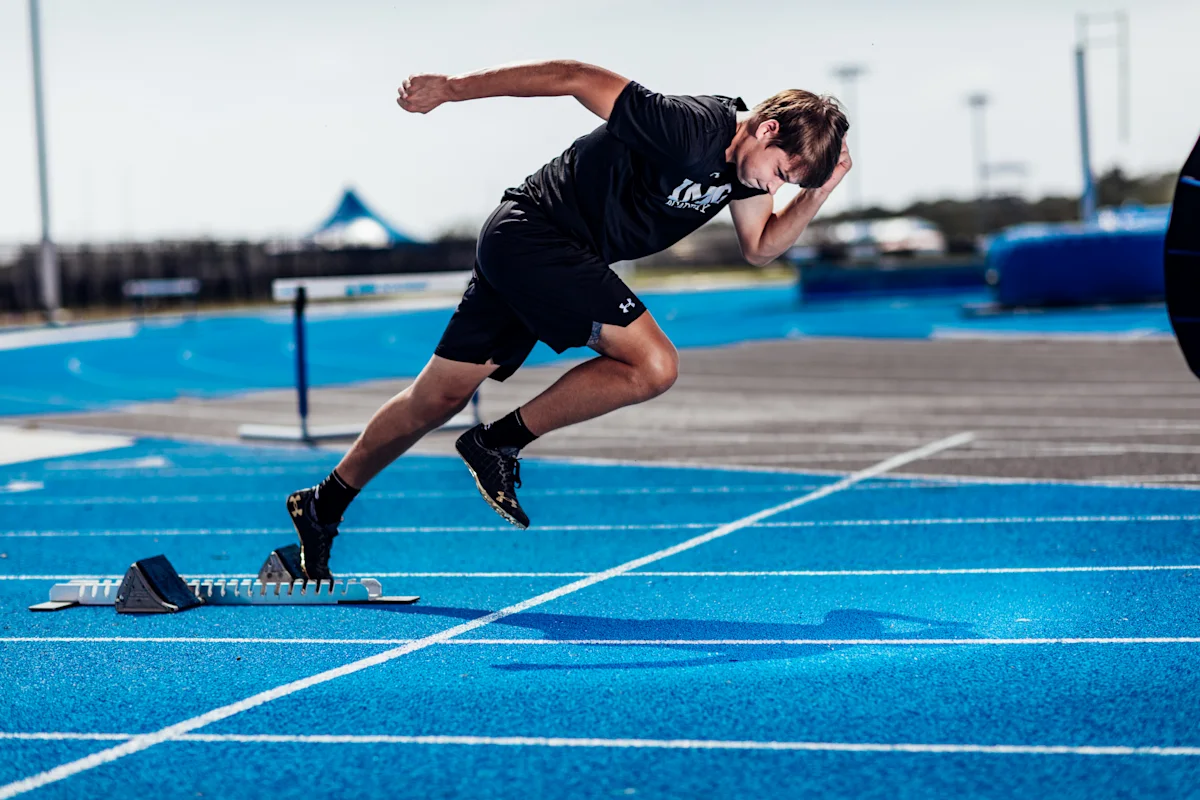
To sprint faster, athletes need to improve sprint mechanics, acceleration, lower-body power, stride efficiency, and recovery. The most effective sprint training combines short, high-quality sprints with strength training, plyometrics, proper warmups, and enough rest between speed sessions. Read on for more tips on how to sprint faster.
Key Takeaways
Athletes can sprint faster by improving mechanics, acceleration, strength, power, and recovery.
Sprint training should focus on quality over quantity, with full effort and proper rest between repetitions.
Acceleration depends on explosive force, strong arm action, and powerful pushes into the ground.
Strength training, plyometrics, and resisted sprints can help athletes improve speed and force production.
Most athletes benefit from two high-intensity sprint sessions per week, with at least 48 hours of recovery between them.
Common sprinting mistakes include overtraining, poor posture, forcing stride length, and sprinting while fatigued.
Why Speed and Acceleration Matter in Sports
Sprinting isn't just for short-distance track and field athletes. In practically every sport, there are major advantages to being able to sprint faster, whether that means breaking free of a defensive back on a fly route in football, beating an opponent down the court on a fast break in basketball, or legging out more infield hits in baseball and softball.
Training to sprint faster helps develop core strength, stability, and explosiveness—important physical qualities in nearly every athletic competition.
How to Sprint Faster: Key Principles
The biggest factors contributing to improvement are consistency, training age, athletic background, recovery habits, and overall strength and power development.
Many athletes simply don't sprint often enough or consistently enough to maximize their speed potential. Sometimes the first step toward becoming faster is simply exposing your body to sprinting on a regular basis.
Sprint Mechanics: How to Run Faster Efficiently
At its core, sprinting comes down to physics. The athletes who can apply the greatest amount of force into the ground in the shortest amount of time while maintaining efficient body positions are typically the fastest.
Athletes who learn proper posture, rhythm, and force application can often make significant gains without becoming stronger or more powerful.
Body Position and Posture
The most efficient sprint mechanics at top speed require you to maintain a tall posture, relaxed shoulders and hands, strong front-side mechanics, and rhythmic arm action. An athlete who can maintain these positions the longest while continuing to apply force into the ground will typically run the fastest.
Arm Action and Coordination
During acceleration, arm action should be big, violent, and aggressive, with the hands driving from above the head to behind the hips to help generate horizontal force. As the athlete transitions to top speed, the hips rise underneath the body and the arm action becomes more rhythmic and efficient, working from roughly chin to hip to match leg turnover, maintain posture, and maximize stride frequency.
Stride Length and Frequency
Rather than trying to consciously lengthen or shorten your stride, focus on producing as much force into the ground as possible.
During acceleration, each push should be big and powerful, with the force finishing back underneath the hip to project the body forward and cover ground efficiently.
As you reach top speed, proper posture, force application, and relaxation naturally create the ideal balance of stride length and stride frequency.
How to Improve Acceleration
Like all phases of sprinting, acceleration is determined by the amount of force you generate when pushing off the ground. The harder you drive your feet against the track or field, the quicker you will accelerate.
First-Step Quickness
First-step quickness is improved by developing explosive horizontal force through sprint starts, plyometrics, bounding, lower-body strength training, and repeated acceleration work.
Explosive Starts and Drive Phase
Proper sprinting starts with an explosive start. Whether you're in a three-point or four-point stance, the goal is to violently push the track backward—not simply step forward.
Sprint Technique for Acceleration
The first 10 to 25 meters (depending on the athlete) are all about powerful horizontal force production. Aggressive arm action, strong knee drive, and full extension through the hips, knees, and ankles help maximize acceleration.
Best Exercises to Sprint Faster
Some proven training methods that help athletes sprint faster include:
Sprint Drills and Acceleration Work
Acceleration training teaches athletes to overcome inertia and produce force efficiently. For this training, use distances of 20 to 40 meters. A simple workout might include six to eight repetitions of 30-meter sprints with approximately two to three minutes of recovery between efforts.
The goal is to maintain high-quality, explosive execution on every repetition while minimizing fatigue. As athletes adapt, they can gradually progress the sprint distance toward 40 meters while maintaining the same emphasis on acceleration and force production.
Goal | Distance | Reps | Rest | Focus |
Acceleration | 20–40 m | 6–8 | 2–3 min | Explosive starts and drive phase |
Top speed | 30–60 m | 4–6 | 3–5 min | Posture, rhythm, and relaxation |
Speed endurance | 60–150 m | 3–5 | Full recovery | Maintain mechanics under fatigue |
Athletes who want more guided movement work can explore IMG Academy+ track and field drills focused on strength, agility, athleticism, and sprint-specific skills like exploding off the blocks.
Lower-Body Strength Exercises
The weight room plays an important role in sprint development. The goal is not simply to become stronger but to improve an athlete's ability to produce force and power.
Exercises such as squats, lunges, deadlifts, Olympic lifting variations, and other power-focused movements can help athletes develop the physical qualities necessary for faster sprinting.
Plyometric and Power Exercises
Bounding, hopping, and jumping exercises improve explosive power and help athletes apply force more quickly into the ground.
Jumping and bounding exercises like the ones shown here enhance the body's ability to recruit muscle fibers rapidly and produce force during short ground contact times—qualities that directly transfer to sprint performance.

Get discovered by college coaches
Reading about recruiting is a great start, but the families who land scholarships don't do it alone. NCSA's Recruiting Coaches build a personalized strategy around your game, academics, and target schools so you stand out to the right programs.
Speed Workouts for Athletes
Once you've developed a foundation of acceleration and sprint mechanics, you can begin applying those improvements over longer distances to help you maintain your top speed and support your gains in the weight room with resisted sprinting.
Speed Endurance Training
Speed endurance training teaches athletes to maintain proper posture, mechanics, and force application as fatigue begins to set in.
Distances between 60 and 150 meters can be effective for developing the ability to sustain high sprinting velocities for longer periods of time. The goal is not simply to run farther, but to maintain efficient sprint mechanics throughout the effort.
Resisted Training for Speed
Sled pulls and other forms of resisted sprinting can be effective tools for improving acceleration mechanics and force application.
When used appropriately, resisted sprinting teaches athletes to push effectively into the ground while maintaining proper sprint mechanics.
How Often Should Athletes Do Sprint Training?
For sprint training, quality should always come before quantity. Sprint training is about producing maximal speed, not simply accumulating fatigue. Once mechanics begin to noticeably break down, sprint times slow significantly, or the athlete can no longer produce quality repetitions, it's usually time to end the session.
Most athletes benefit from at least 48 hours between high-intensity sprint sessions, although recovery varies depending on the athlete and training load.
Signs you're ready for your next training session include feeling refreshed, moving without lingering soreness or tightness, and being able to perform warm-up drills explosively. If you're still unusually fatigued, stiff, or your body feels heavy during acceleration drills, it may be worth taking another recovery day or reducing the workout intensity.
Weekly Sprint Training Plan
For most athletes, I recommend two true maximum-speed sprint sessions each week (for example, Monday and Thursday), separated by recovery or lower-intensity work. One additional speed endurance session later in the week can help build the ability to maintain sprint mechanics over longer distances, with the overall training load progressing gradually as the athlete adapts and recovers.
Day | Focus | What to Do |
Monday | Max-speed sprinting | Short, high-quality sprints with full recovery. |
Tuesday | Recovery | Mobility, stretching, or light movement. |
Wednesday | Strength/power | Lower-body strength, core work, or plyometrics. |
Thursday | Max-speed sprinting | Acceleration or top-speed work with strong mechanics. |
Friday | Recovery | Keep movement light and low intensity. |
Saturday | Speed endurance | 60–150m sprints with full recovery between reps. |
Sunday | Rest | Take a full rest day or do light recovery. |
Common Sprinting Mistakes to Avoid
The biggest mistake I see athletes make is trying to do too much, too often. Sprinting is one of the most demanding activities the body can perform. Progress comes from consistently exposing the body to quality sprint work, recovering properly, and gradually building the speed, power, and technical proficiency necessary to move more efficiently.
How Strength and Power Training Improves Speed
Strength is a huge component of sprint speed. Building your core and lower-body muscles allows you to maintain proper posture and exert more force against the ground, propelling you forward faster and with more control.
Final Tips to Improve Sprint Speed
Sprinting itself remains one of the best ways to improve sprint performance, but it is most effective when combined with appropriate strength training, plyometric development, technical work, and adequate recovery. To support sprint progress, athletes should pair speed work with proper recovery, sleep, and performance nutrition.
FAQs About Sprint Training
How can I sprint faster?
You can sprint faster by practicing high-quality sprinting, improving acceleration mechanics, building lower-body strength, and adding plyometric exercises. Focus on short, explosive sprint sessions with full recovery instead of long, tiring workouts that cause your form to break down.
What exercises help you sprint faster?
Beyond sprinting, the best exercises to help you sprint faster are plyometric workouts like bounding and jumping, along with power-focused lower-body strength exercises such as squats, lunges, and deadlifts.
How do I improve acceleration?
You can improve acceleration through many of the same methods used to build top speed, including sprint start drills, lower-body strength training, and plyometric exercises that develop explosiveness.
How often should athletes sprint train?
Most athletes benefit from two high-intensity sprint sessions per week, with at least 48 hours of recovery between sessions. Sprint training should prioritize quality over quantity, so athletes should stop or reduce intensity when their mechanics break down, sprint times slow, or fatigue begins to affect performance. As athletes improve their strength, conditioning, and recovery habits, they may be able to add a lower-intensity speed or speed-endurance session later in the week.
What are the biggest sprinting mistakes?
The most common mistake in sprint training is overtraining and sprinting too frequently. Attempting to sprint without proper recovery can compromise your technique, which can lead to poor movement habits and increase your risk of injury.
Like this article? Access more in the full resource library.


Start Achieving Your Goals With Essentials
- Unlock the full Essentials experience
- Get recommended content based on your interests
- Dive into content on mental performance, nutrition, college recruiting, sports training and so much more!