Leadership Qualities for Young Athletes


Key Takeaways
Strong leadership starts with character, not title, talent, volume, or status.
Athletes build lasting influence through daily habits that show integrity, responsibility, service, courage, and consistency.
Parents and coaches can reinforce character wins, model composure, and praise choices that make teammates and the environment better.
Why Leadership Matters for Student-Athletes
What makes a truly great leader?
Leadership is not about being the loudest voice in the room or having the most followers. It is built through daily habits, consistent choices, and the ability to positively influence the people around you. For student-athletes, leadership is more than a single skill. It is a combination of communication, self-awareness, accountability, resilience, and character that can impact performance in sports, academics, and life.
Effective leaders understand that different situations require different approaches. Some leadership traits may come naturally, while others require intentional practice and growth over time. The strongest leaders balance confidence with humility, accountability with compassion, and competitiveness with respect for others.
College coaches, teachers, employers, and teammates consistently value leadership qualities because they often reflect how an individual responds to challenges, communicates with others, and contributes to a team environment.
The 12 Leadership Traits Every Athlete Needs
Research and athlete development programs consistently identify these 12 traits as foundational leadership qualities.
Together, they help athletes become:
Better teammates
Stronger communicators
More resilient competitors
More effective leaders on and off the field
Internal Leadership Traits
These traits shape mindset, motivation, discipline, and long-term growth.
Purpose
Purpose is your "why."
Why do you compete? Why do you train? Why do you continue pushing through difficult moments?
Purpose helps athletes stay committed during setbacks, injuries, pressure situations, and demanding seasons.
Athletes with a strong sense of purpose are often more consistent because they stay connected to long-term goals rather than temporary emotions.
Integrity
Integrity means doing the right thing even when nobody is watching.
It builds trust, which is one of the most important foundations of leadership.
Coaches, teammates, teachers, and future employers value people who are:
Honest
Dependable
Accountable
Integrity strengthens relationships and creates opportunities for leadership over time.
Joy
The energy athletes bring into practices, competitions, and team environments affects everyone around them.
Leadership is not only about intensity and performance. Great leaders also create positivity, confidence, and encouragement during stressful situations.
Athletes who consistently bring positive energy often help strengthen team chemistry and resilience.
Growth and Accountability Traits
These traits help athletes respond effectively to pressure, mistakes, setbacks, and challenges.
Humility
Humility means remaining coachable, even after success.
Athletes who continue improving are often the ones willing to:
Accept feedback
Learn from mistakes
Continue developing their skills
Growth requires a willingness to learn.
Forgiveness
Strong leaders know how to move forward after mistakes.
Holding onto frustration, blame, or resentment can negatively affect:
Confidence
Communication
Team chemistry
Forgiveness allows athletes to reset mentally and focus on improvement.
Gratitude
Being thankful for teammates, coaches, family members, trainers, and opportunities helps athletes stay grounded.
Gratitude strengthens:
Relationships
Communication
Team culture
Athletes who consistently show appreciation often build stronger trust within their teams.
Team Leadership Traits
These traits influence how athletes support and elevate the people around them.
Compassion
Compassion means recognizing when teammates or classmates are struggling and responding with empathy and understanding.
Strong leaders understand that emotional awareness matters just as much as physical performance.
Athletes who show compassion often help create healthier and more connected team environments.
Empowerment
A great leader helps other people improve.
Empowerment means:
Encouraging teammates
Sharing responsibility
Helping others build confidence
Leaders who empower others often strengthen overall team performance and accountability.
Valuing Diversity
Different backgrounds, experiences, personalities, and perspectives strengthen teams.
The best teams succeed because athletes bring different strengths and leadership styles together toward a common goal.
Athletes who learn how to work effectively with different personalities often develop:
Stronger communication skills
Greater emotional intelligence
More effective leadership abilities
These skills extend far beyond sports.
Competitive Leadership Traits
These traits define how athletes respond during difficult moments and high-pressure situations.
Courage
Courage means speaking up, handling adversity, and doing the right thing even when it feels uncomfortable.
Leadership often requires:
Difficult conversations
Accountability
Confidence under pressure
Athletes who demonstrate courage frequently earn trust and respect from coaches and teammates.
Justice
Great leaders treat people fairly and consistently.
This means respecting teammates regardless of:
Experience
Role
Skill level
while still maintaining accountability and standards.
Fairness strengthens trust and team culture.
Responsibility
Strong leaders take ownership.
A leader's first response to mistakes is accountability, not excuses.
Responsibility builds trust with:
Coaches
Teammates
Teachers
Future employers
Athletes who consistently take ownership often earn leadership opportunities naturally over time.
Why Leadership Development Matters in Sports
Leadership impacts far more than team captains or vocal athletes.
Coaches often evaluate:
Work ethic
Body language
Communication
Coachability
Accountability
Response to adversity
Team attitude
Strong leadership skills can improve:
Team culture
Athletic performance
Relationships with coaches and teammates
Confidence during challenging situations
Leadership development also prepares athletes for future success in college, careers, and life beyond sports.
How Student-Athletes Can Develop Leadership Skills
Leadership is built through repetition and daily habits.
Athletes can strengthen leadership skills by:
Communicating positively with teammates
Responding well to coaching
Taking accountability after mistakes
Supporting teammates during difficult moments
Leading through preparation and consistency
Practicing discipline in academics and athletics
Choosing effort and attitude every day
Leadership growth rarely happens overnight.
Athletes who consistently practice communication, accountability, preparation, and emotional control often become stronger leaders over time without ever holding a formal title.
Leadership Habits to Practice Every Day
Small habits repeated consistently often shape long-term leadership growth.
Consider practicing:
Showing up prepared
Communicating respectfully
Encouraging teammates
Handling mistakes maturely
Maintaining positive body language
Responding well to coaching
Managing academics responsibly
Supporting team culture consistently
Leadership is often built through small actions repeated every day.
Parent and Coach Perspective
Parents and coaches play a significant role in leadership development.
The strongest environments encourage athletes to:
Take ownership
Solve problems independently
Communicate directly
Learn through both success and failure
Leadership grows fastest when adults provide support without removing responsibility from the athlete.
How Can Parents Help Athletes Develop Leadership?
Parents can encourage leadership development by promoting:
Accountability
Communication
Independence
Problem-solving
Allowing athletes to manage responsibilities, communicate directly, and learn from mistakes often strengthens confidence and maturity over time.
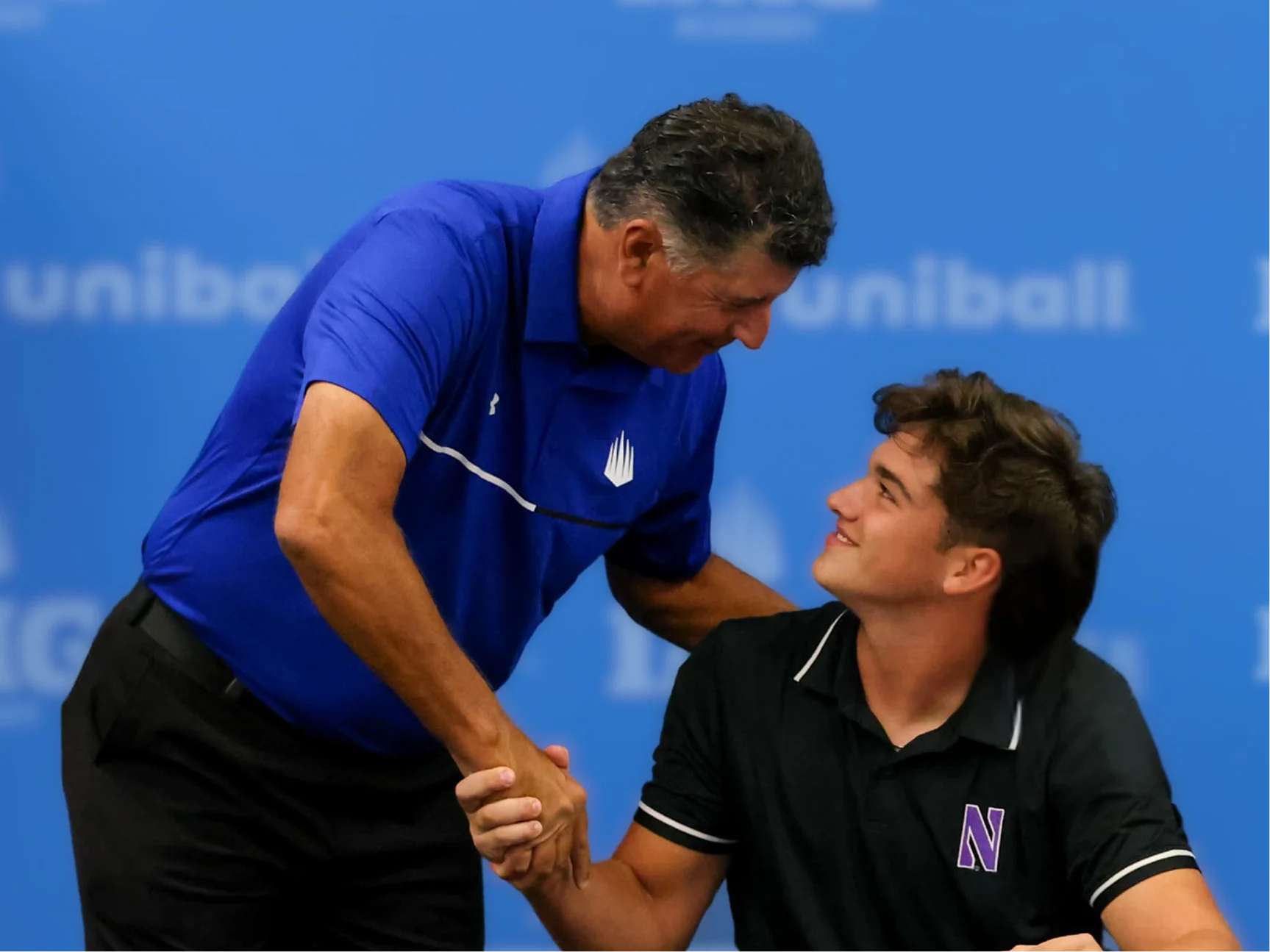
Get discovered by college coaches
Reading about recruiting is a great start, but the families who land scholarships don't do it alone. NCSA's Recruiting Coaches build a personalized strategy around your game, academics, and target schools so you stand out to the right programs.
Leadership FAQ for Student-Athletes
Why Is Leadership Important for Student-Athletes?
Leadership helps athletes build trust, improve communication, strengthen team culture, and handle adversity more effectively both in sports and in everyday life.
Do Athletes Need to Be Vocal to Be Leaders?
No.
Leadership can be demonstrated through:
Consistency
Preparation
Work ethic
Accountability
Support for teammates
Can Quiet Athletes Still Become Strong Leaders?
Absolutely.
Many strong leaders earn trust through reliability, preparation, and consistent actions rather than being the loudest person on the team.
How Do Sports Help Build Leadership Skills?
Sports regularly place athletes in situations that require:
Communication
Discipline
Teamwork
Resilience
Accountability
Emotional control
These experiences help athletes develop leadership skills that extend beyond competition.
How Can Younger Athletes Become Better Leaders?
Leadership begins with small daily habits such as accountability, positivity, effort, communication, and consistency.
Young athletes who focus on preparation and supporting teammates often develop leadership naturally over time.
What Leadership Traits Do Coaches Value Most?
Many coaches prioritize:
Coachability
Accountability
Work ethic
Communication
Resilience
Team-first behavior
Final Takeaway
Leadership is not built through one speech, one game, or one title.
It is built through consistent actions, daily choices, and the willingness to positively impact the people around you.
The athletes who become trusted leaders are usually the ones who stay coachable, accountable, resilient, and committed long before anyone gives them a title.
Strong leadership creates better teammates, stronger relationships, healthier team cultures, and long-term success both in sports and beyond.
Like this article? Access more in the full resource library.
Start Achieving Your Goals With Essentials
- Unlock the full Essentials experience
- Get recommended content based on your interests
- Dive into content on mental performance, nutrition, college recruiting, sports training and so much more!